

New hires often struggle with overwhelming paperwork, confusing processes, and endless questions about company policies. IBM’s AI-powered chatbots are changing this experience by guiding new employees through their first days with instant support and personalized assistance. This approach helps HR teams streamline onboarding while giving new hires the confidence they need to succeed from day one.
If you’re an HR leader, business executive, or IT professional looking to modernize your employee onboarding process, understanding IBM’s AI chatbot implementation can show you what’s possible with digital HR transformation. These intelligent systems don’t just answer basic questions—they create engaging, interactive experiences that help new employees feel welcomed and prepared. We’ll explore how AI-powered chatbots transform the traditional onboarding experience, examine the strategic benefits these systems bring to HR operations, and walk through the practical steps for implementing similar technology in your organization. You’ll also discover how these chatbots integrate with broader HR digital transformation initiatives to create seamless, employee-focused experiences that reduce administrative burden and improve satisfaction scores.
Transforming Employee Onboarding Through AI-Powered Solutions

Automated Guidance Systems Reduce Administrative Burden on HR Teams
When you implement AI-powered chatbots for employee onboarding in your organization, you immediately begin to experience a significant reduction in the administrative workload that traditionally overwhelms your HR teams. These intelligent systems transform how you handle the complex web of onboarding tasks that previously required countless hours of manual intervention from your human resources staff.
Your AI-powered assistants provide nonstop support for common HR inquiries and guide employees through complex processes, effectively becoming your organization’s first line of defense against the repetitive questions and procedural guidance that typically consume your HR team’s valuable time. Instead of your HR professionals spending hours each day answering the same fundamental questions about company policies, benefits enrollment, or procedural requirements, your AI chatbots handle these interactions with remarkable efficiency and consistency.
Scalable HR Automation: Elevating Efficiency Through AI-Driven Onboarding Support
You’ll find that your automated guidance systems excel at managing the routine aspects of employee onboarding that previously required significant human intervention. When your new hires need information about their first-day procedures, workplace policies, or basic administrative requirements, your AI-powered HR automation systems respond instantly with accurate, up-to-date information. This immediate availability means your HR team members can redirect their focus toward more strategic initiatives that require human insight and emotional intelligence.
The transformation becomes particularly evident when you consider the scale of repetitive tasks your AI chatbots in HR operations can handle simultaneously. While a single HR representative might manage only a few new employee inquiries at once, your digital employee onboarding system can engage with dozens or even hundreds of new hires simultaneously, providing each individual with the attention and information they need without any degradation in service quality.
Strategic Transformation: Optimizing HR Operations with IBM AI Solutions
Your IBM AI HR solutions demonstrate how sophisticated these automated guidance systems can become. They don’t simply provide static responses to common questions; instead, they actively guide your new employees through complex multi-step processes, ensuring each person receives the appropriate information based on their specific role, department, and individual circumstances. This level of automation reduces the administrative burden on your HR teams while simultaneously improving the consistency and quality of the onboarding experience you provide.
When you examine the broader impact on your HR operations, you’ll discover that these automated systems create a ripple effect of efficiency improvements throughout your organization. Your HR professionals, freed from the constant stream of routine inquiries, can dedicate more time to developing strategic onboarding programs, analyzing employee feedback, and creating innovative approaches to talent management that drive long-term organizational success.
Personalized Onboarding Experiences Adapt to Individual Role Requirements
AI-powered personalized onboarding revolutionizes new employee integration by creating customized experiences based on role and preferences, replacing generic processes.
When you deploy these AI-powered chatbots for employee onboarding, you enable your organization to recognize that a software engineer’s onboarding needs differ dramatically from those of a sales representative or a financial analyst. Your AI systems analyze the specific requirements of each role and automatically adjust the onboarding content, training modules, and procedural guidance to match these unique needs. This personalization ensures that your new employees receive exactly the information and support they need to succeed in their specific positions.
Your personalized approach extends beyond simply providing role-specific information. The AI agents and chatbots you implement can adapt to individual learning preferences, communication styles, and previous experience levels. If your new hire has extensive experience in similar roles at other organizations, your AI system can accelerate certain portions of the onboarding process while focusing more attention on company-specific policies and procedures. Conversely, if someone is new to the industry entirely, your system can provide additional foundational information and support.
AI-Driven Employee Onboarding
Your employee onboarding technology becomes apparent when you observe how it handles the nuanced requirements of various levels and functions within the company. The AI-powered systems behind your system know that seasoned hires come with quite different onboarding requirements than new starts, and it automatically adapts the tone, content, and focus of their interactions to reflect that. This smart adaptation means that a new hire, no matter their role or background, gets a personalized onboarding experience that feels like a proper fit for them.
The personalized onboarding that you implemented also addresses the different speed people learn at and how many people learn faster or slower. Some new recruits will likely want to finish their onboarding modules quickly and efficiently, while others prefer the slower, more precise process. Your AI chatbots can recognize these preferences through interaction patterns, allowing your chatbots to adjust how they deliver to the individual, such that learning is a successful experience for each person.
When you consider the impact of this personalization on employee engagement and retention, the benefits become even more compelling. Your new hires feel valued and understood when they receive onboarding experiences that clearly acknowledge their unique backgrounds and role requirements. This personalized attention from the very beginning of their employment creates a positive first impression that often translates into higher job satisfaction and stronger organizational commitment.
24/7 AI Assistant Support for New Employee Questions and Processes
Your decision to implement 24/7 AI assistant support transforms the accessibility and responsiveness of your employee onboarding process in ways that traditional HR support simply cannot match. When your new employees have questions or need guidance outside of standard business hours, your AI-powered assistants provide nonstop support for common HR inquiries and guide employees through complex processes without any delays or scheduling constraints.
This continuous availability becomes particularly valuable when you consider the diverse schedules and time zones that characterize modern workplaces. Your remote employees, international team members, or those working non-traditional schedules can access the same high-quality onboarding support at any time that suits their needs. Whether it’s midnight on a weekend or during a holiday period, your AI chatbots in HR operations remain fully operational and ready to assist.
Your 24/7 AI assistant support excels at handling the immediate concerns and questions that often arise when new employees are reviewing their onboarding materials or attempting to complete required processes. Instead of waiting until the next business day to get answers about benefits enrollment deadlines, IT setup procedures, or workplace policies, your new hires can receive instant clarification and guidance. This immediate responsiveness reduces anxiety and confusion while accelerating the overall onboarding timeline.
Maximizing Onboarding Efficiency Through Proactive, Context-Aware AI Support
The sophistication of your HR digital transformation becomes evident in how your AI assistants handle complex, multi-step processes that new employees must navigate. Rather than simply providing static information, your intelligent systems guide users through each step of complicated procedures, checking for completion and offering assistance when individuals encounter difficulties. This proactive support ensures that your new employees successfully complete all necessary onboarding tasks without getting stuck or frustrated by procedural complexities.
Your AI-powered HR automation systems also excel at maintaining context across extended conversations and multiple interaction sessions. When your new employee begins a conversation about benefits enrollment but needs to continue it later, your AI assistant remembers the previous discussion and picks up exactly where the conversation left off. This continuity creates a seamless experience that mirrors the best aspects of human conversation while providing the convenience of round-the-clock availability.
When you analyze the broader impact of 24/7 support on your organization’s onboarding effectiveness, you’ll discover that this constant availability significantly improves completion rates for required onboarding tasks. New employees no longer postpone important activities because they can’t immediately get answers to their questions. Instead, they can complete their onboarding requirements at their own pace, knowing that support is always available when they need it.
Leveraging Continuous AI Support for Data-Driven Optimization and Scalable HR Efficiency
Your implementation of continuous AI assistant support also provides valuable insights into the onboarding process itself. By analyzing the timing and nature of questions that arise outside business hours, you can identify potential improvements to your onboarding materials and processes. This data-driven approach enables continuous refinement of your employee onboarding technology based on real user behavior and needs.
The reliability and consistency of your 24/7 AI support create a safety net that gives both new employees and HR teams confidence in the onboarding process. Your new hires know they can always get help when they need it, while your HR professionals can focus on higher-value activities knowing that routine support needs are being handled effectively around the clock.
As you continue to evolve your digital employee onboarding strategy, the foundation of continuous AI assistant support becomes increasingly valuable. It enables your organization to scale onboarding support without proportionally increasing human resources, while simultaneously improving the experience for every new employee who joins your team.
Strategic Benefits of AI Chatbots in HR Operations

Enhanced operational efficiency through automated routine tasks
When you implement AI-powered chatbots in your HR operations, you’ll immediately notice a dramatic increase in operational efficiency as automation reduces time spent on routine administrative tasks like interview scheduling and resume screening. This technological advancement represents a fundamental shift in how your HR department can allocate its valuable resources and human capital.
Your HR team currently spends countless hours managing repetitive administrative processes that, while necessary, don’t require human creativity or strategic thinking. By deploying AI chatbots in HR operations, you’re essentially creating a digital workforce that can handle these tasks with unprecedented speed and accuracy. The automation capabilities extend far beyond simple question-and-answer scenarios, encompassing complex scheduling algorithms that can coordinate multiple stakeholders’ calendars, screen resumes against predetermined criteria, and even conduct initial candidate assessments.
The impact on interview scheduling alone can transform your recruitment process. Instead of your HR personnel spending hours playing email tag with candidates, hiring managers, and interview panel members, your AI-powered system can instantly access everyone’s availability, propose optimal meeting times, send calendar invites, and even handle rescheduling requests. This level of automation means your HR team can focus on what truly matters: building relationships with candidates, developing strategic talent acquisition plans, and creating meaningful employee experiences.
Accelerating Recruitment and Operational Workflows with AI-Driven Automation and Predictive Analytics
Resume screening represents another area where automation delivers exceptional efficiency gains. Your AI chatbots can process hundreds of applications in the time it would take a human recruiter to review just a handful. These systems can evaluate candidates against specific job requirements, identify key qualifications, flag potential red flags, and rank applicants based on their fit for the role. This doesn’t eliminate human judgment from the process; instead, it ensures that when your HR professionals review candidates, they’re focusing on the most promising prospects rather than sifting through unsuitable applications.
The efficiency improvements extend throughout your entire HR ecosystem. Document processing, which traditionally requires manual review and filing, becomes an automated workflow where your AI systems can categorize, store, and retrieve employee documents instantly. Benefits enrollment, policy acknowledgments, and compliance training tracking all become streamlined processes that require minimal human intervention while maintaining accuracy and completeness.
Your operational efficiency gains compound over time as these AI chatbots learn from interactions and continuously improve their performance. The more your systems process routine tasks, the more refined their algorithms become, leading to even greater time savings and accuracy improvements. This creates a positive feedback loop where efficiency gains accelerate as your AI implementation matures.
Improved employee experience with instant, accessible support
Now that we’ve covered how automation transforms your operational efficiency, it’s equally important to understand how AI-powered chatbots fundamentally improve your employee experience through personalized, responsive, and accessible HR services. Your employees’ interaction with HR services becomes dramatically enhanced when AI-powered assistants can resolve issues more quickly than traditional support channels.
Your workforce operates in an always-connected environment where instant gratification isn’t just preferred—it’s expected. When employees have questions about benefits, policies, or procedures, they don’t want to wait for business hours or navigate complex phone trees. Your AI chatbots provide 24/7 accessibility, ensuring that whether an employee needs information at midnight or during a weekend, support is immediately available. This level of accessibility particularly benefits remote workers, international teams, and employees working non-traditional schedules.
The personalized nature of AI-powered HR support creates a unique employee experience that traditional HR delivery methods simply cannot match. Your chatbot systems can access individual employee profiles, understand their specific benefits packages, review their employment history, and provide tailored responses that address their exact situation. When an employee asks about vacation time, the system doesn’t provide generic policy information—it accesses their specific accrual balance, upcoming scheduled time off, and provides personalized recommendations based on their usage patterns.
Enhancing Employee Experience Through Multi-Lingual Accessibility, Policy Consistency, and Proactive AI Engagement
Responsiveness represents a critical advantage that directly impacts employee satisfaction. Your AI-powered assistants resolve issues more quickly because they don’t need to research answers, consult policy manuals, or escalate routine questions to human specialists. Simple inquiries that might have taken days to resolve through traditional channels can be answered instantly. Complex questions that require human intervention are immediately routed to the appropriate specialist with full context, eliminating the need for employees to repeat their concerns multiple times.
The accessible nature of AI chatbots extends beyond mere availability. These systems can communicate in multiple languages, accommodate different communication preferences, and adapt their interaction style to match individual employee needs. Visual learners can receive infographic-style responses, while detail-oriented employees can access comprehensive policy explanations. This adaptability ensures that every employee can interact with HR services in their preferred manner.
Your AI chatbots also excel at providing consistent information. Unlike human representatives who might interpret policies differently or provide varying levels of detail, AI systems deliver standardized, accurate responses every time. This consistency eliminates confusion and ensures that all employees receive the same high-quality support regardless of when they ask their questions or which communication channel they use.
The proactive capabilities of AI-powered HR support create additional value for your employees. These systems can monitor upcoming deadlines, send reminders about benefits enrollment periods, alert employees to new policy changes that affect them, and suggest relevant resources based on their profile and behavior patterns. This proactive approach transforms HR from a reactive support function into a strategic partner that anticipates employee needs and provides guidance before problems arise.
Data-driven insights for better workforce management decisions
With this enhanced employee experience foundation established, your organization can now leverage the most strategic advantage of AI chatbots in HR operations: comprehensive analytics and reporting capabilities that provide real-time insights into workforce metrics and performance trends for data-driven decision-making.
Your AI-powered chatbots generate an unprecedented volume of workforce data through every interaction, creating a comprehensive digital record of employee concerns, questions, behaviors, and satisfaction levels. This data collection happens naturally and unobtrusively as employees interact with your AI systems, providing authentic insights into their actual needs and challenges rather than filtered feedback from surveys or formal reviews.
The real-time nature of these insights represents a fundamental shift in how you can understand and respond to workforce dynamics. Traditional HR analytics often rely on periodic surveys, exit interviews, and annual reviews—data points that provide historical perspectives but limited actionable intelligence for immediate decision-making. Your AI chatbot systems generate continuous data streams that reveal emerging trends, developing issues, and changing employee needs as they happen.
Workforce Analytics: Retention & Productivity
Your comprehensive analytics capabilities extend across multiple dimensions of workforce management. You can track which types of questions employees ask most frequently, identifying knowledge gaps or policy confusion that might indicate training opportunities or communication improvements. Seasonal patterns in employee inquiries can help you anticipate staffing needs, benefits questions, or policy clarifications. Geographic or departmental variations in questions can reveal location-specific challenges or management inconsistencies that require attention.
The performance trends visible through AI chatbot data provide insights that traditional metrics often miss. You can identify early indicators of employee disengagement through changes in the types of questions employees ask, the tone of their interactions, or the frequency of their HR system usage. Employees who suddenly stop asking about professional development opportunities or begin inquiring about leave policies might be experiencing job dissatisfaction before it becomes apparent through traditional performance reviews.
Your data-driven decision-making capabilities become particularly powerful when you analyze interaction patterns across different employee segments. High-performing employees might ask different types of questions than average performers, providing insights into what support successful employees value most. New hire question patterns can reveal gaps in your onboarding process or areas where additional support could accelerate integration and productivity.
The predictive capabilities of AI-powered workforce analytics enable you to move from reactive to proactive workforce management. By analyzing historical patterns in employee interactions, you can predict when specific types of support will be needed, anticipate busy periods for your HR team, and identify employees who might benefit from additional engagement or support. These predictive insights allow you to allocate resources more effectively and address potential issues before they impact productivity or retention.
Generating Actionable Workforce Intelligence Through Integrated AI Analytics and 360-Degree Reporting
Your comprehensive reporting capabilities provide stakeholders across your organization with actionable workforce intelligence. Executive leadership can access high-level trends and metrics that inform strategic planning, while HR specialists can drill down into specific areas for tactical improvements. Department managers can receive insights about their team’s interactions with HR systems, helping them understand their employees’ needs and concerns more completely.
The integration possibilities of AI-generated workforce data create additional analytical value. Your chatbot interactions can be combined with performance management data, attendance records, engagement survey results, and other HR metrics to create comprehensive employee profiles and organizational health dashboards. This integrated approach provides a 360-degree view of your workforce that enables more sophisticated analysis and better-informed decision-making at every level of your organization.
Core Technologies Driving HR Digital Transformation

AI Agents and Assistants for Autonomous Task Completion
When you implement AI agents and assistants in your HR operations, you’re introducing sophisticated systems that can operate independently to complete complex tasks without constant human supervision. These autonomous systems represent a fundamental shift in how your organization approaches HR service delivery, moving from traditional reactive support models to proactive, intelligent assistance.
Your AI-powered chatbots for employee onboarding serve as the primary interface between new employees and your organization’s systems, acting as virtual HR representatives that never sleep. These agents are designed to handle multiple concurrent conversations while maintaining context and personalization for each interaction. When new hires engage with these systems, they’re not simply accessing a database of information – they’re interacting with intelligent entities that can understand nuanced requests, adapt to individual learning styles, and provide tailored guidance throughout the onboarding journey.
Scaling Personalized Onboarding Through Autonomous Task Orchestration and Conversational AI Memory
The autonomous nature of these AI agents means you can scale your onboarding operations without proportionally increasing your HR team size. Your digital employee onboarding process becomes more efficient as these agents learn from each interaction, continuously improving their ability to anticipate employee needs and provide relevant information before questions are even asked. This proactive approach transforms the onboarding experience from a series of administrative hurdles into a seamless, engaging introduction to your company culture and processes.
Your AI agents excel at task orchestration, coordinating multiple systems and processes to ensure new employees receive all necessary resources, complete required training modules, and connect with the right team members at optimal times. They maintain persistent memory of each employee’s progress, preferences, and challenges, allowing for increasingly personalized interactions that feel more human despite being entirely automated.
The conversational interfaces provided by these AI agents create natural touchpoints where employees can ask questions, request assistance, or seek clarification using everyday language. You’ll find that these systems can handle complex multi-turn conversations, understanding context and maintaining coherent dialogue threads that span multiple sessions. This capability is particularly valuable during onboarding when new employees often have follow-up questions or need to revisit previous topics as they gain more context about their roles.
Natural Language Processing for Intelligent Employee Interactions
Your implementation of natural language processing (NLP) technologies fundamentally changes how your organization processes and responds to employee communications. These AI chatbots in HR operations leverage sophisticated language understanding capabilities that go far beyond simple keyword matching, enabling truly intelligent interactions that can interpret intent, emotion, and context within employee queries.
When you deploy NLP-powered systems for automated employee training, you’re creating an environment where employees can communicate naturally without needing to learn specific commands or navigate complex menu systems. Your employees can express their needs in their own words, using colloquialisms, incomplete sentences, or even emotional language, and the system will understand and respond appropriately.
The automated analysis of employee feedback through NLP represents a revolutionary advancement in how you gather and process workplace insights. Instead of relying solely on structured surveys with predetermined questions, your system can analyze free-form feedback from various sources – emails, chat messages, support tickets, and informal conversations – to identify trends, concerns, and opportunities that might otherwise go unnoticed. This capability allows you to maintain a pulse on employee sentiment and address issues before they escalate into larger problems.
Your NLP systems excel at intelligent document processing, automatically categorizing, extracting key information, and routing documents to appropriate personnel or systems. During onboarding, this means employee-submitted forms, certifications, and other documentation can be processed instantly, with relevant information automatically populated into HR systems and compliance requirements tracked in real-time. This eliminates manual data entry errors and accelerates the administrative aspects of bringing new employees into your organization.
Leveraging Advanced NLP for Contextual Continuity, Emotional Intelligence, and Multilingual HR Support
The contextual understanding provided by advanced NLP allows your AI systems to maintain coherent conversations across multiple topics and time periods. When an employee returns to a conversation days later, the system remembers previous interactions and can seamlessly continue providing assistance without requiring the employee to repeat information or re-establish context. This continuity creates a more human-like experience that builds trust and encourages ongoing engagement with your digital HR resources.
Your NLP-enabled systems can also detect emotional cues in employee communications, identifying when someone might be frustrated, confused, or overwhelmed. This emotional intelligence allows the system to adjust its communication style, provide additional support resources, or escalate to human HR professionals when appropriate. During the critical onboarding period, this sensitivity to emotional states can significantly impact new employee satisfaction and retention.
The multilingual capabilities of modern NLP systems ensure that your HR digital transformation doesn’t exclude employees who are more comfortable communicating in languages other than English. Your AI agents can provide consistent, high-quality support across multiple languages, ensuring all employees receive equal access to information and assistance regardless of their linguistic preferences.
Predictive Analytics for Proactive Talent Management
Your integration of predictive analytics into intelligent talent management systems transforms your approach from reactive problem-solving to proactive strategy implementation. These AI-powered HR automation tools analyze vast amounts of historical and real-time data to identify patterns and trends that human observers might miss, providing you with actionable insights for optimizing organizational outcomes.
When you leverage predictive analytics to proactively address retention risks, you’re moving beyond exit interviews and annual surveys to continuous monitoring of employee engagement indicators. Your system analyzes communication patterns, performance metrics, training completion rates, and other behavioral signals to identify employees who may be at risk of leaving before they’ve even made that decision themselves. This early warning system allows you to intervene with targeted support, career development opportunities, or address-specific concerns before valuable talent walks out the door.
The forecasting capabilities of your predictive analytics systems enable you to anticipate future talent management trends and prepare accordingly. By analyzing industry data, economic indicators, seasonal patterns, and internal growth projections, your system can predict when you’ll need to ramp up hiring, which skills will become more critical, and where training investments will yield the highest returns. This foresight allows you to make strategic decisions about workforce planning, budget allocation, and organizational structure adjustments well in advance of actual needs.
Data-Driven Personalization: Using Predictive Analytics for Strategic Onboarding and Retention

Predictive analytics is not limited to human resources organizations, but it also applies to other aspects of organizational outcomes, including predictive analytics optimization in the domain of organizational output. These systems can foresee which onboarding methodologies would be good for individual types of employees, what courses of training would generate the best impact on performance, and what team configurations would generate optimal collaboration and productivity. What we mean by evidence-based talent management is a data-driven approach.
The employee onboarding tools that enable you to use predictive analytics to deliver personalized experiences for new hires are based on similar employee profiles and outcomes. Your system can, through reviewing former staff members’ characteristics, preferences, and success patterns of similar staff members in similar roles, suggest personalized onboarding paths that will lead to successful onboarding, integration, and retention. This could involve modifying the pace of training, suggesting particular mentors, or scheduling specific activities that work best for similar employees.
Driving Strategic HR Transformation Through Real-Time Predictive Analytics and Integrated AI Ecosystems
Predictive analytics powered by yours also helps in continuously improving HR processes and policies. Then your system can recommend changes in operation based on the results of different approaches examined and identify what variables correlate with success and identify improvements based on the analysis of the data. You can create a change schedule for onboarding or change the content of training, or implement new support mechanisms that are data-driven, not assumptions.
The state-of-the-art predictive analytics technology is real-time, so your insights are more current and actionable. But as new data comes in from ongoing employee interactions, performance metrics, and external factors, your predictive models change and revise their predictions on the fly. So, your talent management efforts are responsive based on the environment and the trends that are evolving.
Through the integration of these core technologies – AI agents and assistants, natural language processing, and predictive analytics – your organization creates a comprehensive ecosystem for HR digital transformation that enhances every aspect of talent management while providing employees with intelligent, responsive support throughout their journey with your company.
Implementation Framework for AI-Powered HR Systems

Design Phase Focusing on Employee-Centric Experiences
When you begin implementing AI-powered HR systems like IBM’s AI chatbots for employee onboarding, your design phase becomes the critical foundation that determines whether your initiative succeeds or fails. This phase establishes your roadmap by identifying key stakeholders, understanding existing pain points, defining your desired end-state, and most importantly, focusing on the user experience to ensure your AI solutions are actually adopted and align with your business goals.
Your design phase must start with comprehensive stakeholder identification across your organization. You’ll need to map out everyone who will be affected by or involved in your AI-powered HR automation implementation. This includes not just your HR team, but also IT departments, legal and compliance teams, department managers, new hires, existing employees, and executive leadership. Each stakeholder group brings unique perspectives, requirements, and potential resistance points that you must address in your design framework.
Designing Human-Centric AI Onboarding: Defining Vision, User Experience, and Measurable Success Metrics
Understanding pain points becomes crucial when designing your AI chatbots in HR operations. You need to conduct thorough assessments of your current employee onboarding technology and processes to identify where inefficiencies, frustrations, and gaps exist. These pain points might include repetitive manual tasks that slow down your HR team, inconsistent information delivery to new employees, delayed responses to employee questions, or lack of personalized guidance during the onboarding journey. Your AI-powered HR systems should directly address these specific challenges rather than creating solutions in search of problems.
Your desired end-state definition requires you to envision how your digital employee onboarding experience should function once your AI implementation is complete. This vision must be concrete and measurable, outlining specific outcomes like reduced onboarding time, improved new employee satisfaction scores, decreased HR administrative burden, and enhanced consistency in information delivery. Your end-state should also consider how your AI chatbots for employee onboarding will integrate with existing HR digital transformation initiatives and broader talent management systems.
Prioritizing Human-Centric Design and Performance Metrics for AI Onboarding Success
The user experience focus in your design phase cannot be overstated when implementing AI-powered chatbots for employee onboarding. You must design your system from the employee’s perspective, considering their emotional state as new hires, their varying levels of technical comfort, and their diverse information needs. Your AI chatbots should feel conversational and helpful rather than robotic or intimidating. This means designing conversation flows that anticipate common questions, provide clear and actionable responses, and offer escalation paths when the chatbot cannot adequately address an inquiry.
Your design phase should also establish clear success metrics and key performance indicators that will guide your implementation and ongoing optimization efforts. These metrics might include chatbot response accuracy rates, employee satisfaction scores, time-to-productivity for new hires, reduction in HR support tickets, and adoption rates across different employee demographics. By defining these metrics upfront, you create accountability mechanisms that ensure your AI implementation in human resources delivers tangible value.
Phased Rollout Approach Minimizing Disruption
Now that you have established your design framework, your phased approach to HR digital transformation becomes essential for successful implementation. Starting with simple, employee-centric initiatives before moving to more complex implementations significantly increases adoption rates while minimizing redesign costs and organizational disruption.
Your initial phase should focus on low-risk, high-impact applications of your AI-powered HR automation. Consider beginning with basic informational chatbots that answer frequently asked questions about company policies, benefits information, or office procedures. These simple implementations allow your employees to become comfortable with AI chatbots in HR operations without overwhelming them with complex interactions or replacing critical human touchpoints prematurely.
During this initial phase, you should concentrate on building employee trust and demonstrating clear value. Your intelligent talent management systems should handle routine inquiries that currently consume significant HR staff time, such as vacation policy explanations, parking information, or basic procedural questions. This approach allows your HR team to focus on higher-value activities while employees experience the convenience and immediate response capabilities of your AI-powered chatbots for employee onboarding.
Your second phase can expand into more sophisticated automated employee training capabilities. Once employees are comfortable with basic interactions, you can introduce AI chatbots that guide them through more complex processes like benefits enrollment, training module completion, or performance review preparations. This progressive complexity helps maintain adoption momentum while reducing the risk of overwhelming users with too many changes simultaneously.
Reducing Risk and Increasing Buy-In Through Data-Driven Phased Rollouts and Internal Champions
The phased approach also allows you to gather valuable feedback and usage data from each implementation stage. You can analyze which features employees find most valuable, where confusion or resistance occurs, and how your AI implementation in human resources impacts overall employee satisfaction. This data becomes crucial for refining your approach before expanding to more critical or complex HR processes.
Your third phase might involve more sophisticated applications such as personalized career development recommendations, advanced onboarding workflows that adapt based on employee role and department, or integration with performance management systems. By this point, your employees will have developed comfort and familiarity with your AI systems, making them more receptive to advanced capabilities.
Risk mitigation becomes a key advantage of your phased rollout strategy. Rather than implementing a comprehensive system that could disrupt multiple HR processes simultaneously, you can identify and address issues on a smaller scale. If problems arise with your AI chatbots for employee onboarding in early phases, you can resolve them before they impact critical business functions or large employee populations.
Your phased approach should also consider different employee groups and their varying comfort levels with technology. You might choose to pilot your AI-powered HR systems with tech-savvy departments first, using their feedback and success stories to build confidence among more technology-hesitant employee groups. This strategy leverages early adopters as internal champions who can help drive broader organizational acceptance.
Comprehensive Training Programs for Successful Adoption
With your phased implementation underway, comprehensive training programs become crucial for ensuring successful adoption of your AI-powered HR automation systems. These training programs must be tailored to different employee groups and skill levels, potentially leveraging AI for personalized learning opportunities that maximize engagement and retention.
Your training strategy should recognize that different employee groups have varying needs, comfort levels, and learning preferences when it comes to digital employee onboarding technologies. New employees require training that helps them understand how to interact with your AI chatbots for employee onboarding as part of their initial orientation. Existing employees need training that explains how these systems will change their current processes and what benefits they can expect. HR staff require more comprehensive training on system administration, troubleshooting, and optimization capabilities.
For your new employee training programs, you should integrate AI chatbot familiarization directly into your onboarding process. This creates immediate hands-on experience with your intelligent talent management systems while accomplishing necessary onboarding tasks. New hires can learn to ask questions about benefits, locate important resources, and understand company procedures through guided interactions with your AI systems. This approach makes the training immediately relevant and practical rather than theoretical.
Implementing Tiered, Personalized AI Training Tracks to Address Employee Concerns and Drive Adoption
Your existing employee training should focus on demonstrating clear value propositions and addressing potential concerns about AI implementation in human resources. Many employees may worry about job displacement or increased complexity in their daily work. Your training programs should emphasize how these AI-powered HR systems will eliminate tedious tasks, provide faster access to information, and enable employees to focus on more meaningful work. Concrete examples and success stories from your pilot implementations can be particularly effective in building confidence.
Skill level considerations require you to develop multiple training tracks that accommodate different technical comfort levels. Your basic track might focus on simple interactions like asking questions and finding information through your AI chatbots in HR operations. Advanced tracks could cover more sophisticated features like setting up personalized notifications, accessing detailed analytics, or customizing interaction preferences. This tiered approach ensures that all employees can successfully adopt your systems at their own pace.
Your training programs should leverage AI for personalized learning opportunities, creating adaptive experiences that adjust based on individual learning patterns, role requirements, and demonstrated competencies. Your AI-powered training systems can identify knowledge gaps, recommend specific learning modules, and provide targeted practice scenarios that help employees master relevant skills efficiently. This personalization increases engagement while reducing training time and improving retention rates.
Building Long-Term AI Adoption Through Interactive Sandboxes and Data-Driven Continuous Learning
Interactive training methods become essential for building comfort with conversational AI systems. Rather than relying solely on traditional presentations or documentation, you should provide sandbox environments where employees can practice using your AI chatbots for employee onboarding without fear of making mistakes. These practice sessions should include realistic scenarios and common use cases that employees will encounter in their daily work.
Your training programs should also address change management aspects of AI implementation in human resources. Employees need to understand not just how to use these systems, but why they’re being implemented and how they fit into broader organizational goals. This contextual understanding helps build buy-in and reduces resistance to new processes and technologies.
Optimizing AI Adoption Through Continuous Training and Data-Driven System Evolution
Ongoing training and support mechanisms ensure sustained adoption and optimal utilization of your automated employee training capabilities. You should establish regular refresher sessions, advanced feature training, and user feedback sessions that help employees continuously improve their interactions with your AI systems. These ongoing programs also provide opportunities to introduce new features and capabilities as your intelligent talent management systems evolve.
Your training evaluation and improvement processes should leverage data from your AI-powered HR systems to understand training effectiveness and identify areas for enhancement. You can analyze user interaction patterns, error rates, and satisfaction scores to refine your training content and delivery methods continuously. This data-driven approach ensures your training programs remain relevant and effective as your systems mature and user needs evolve.
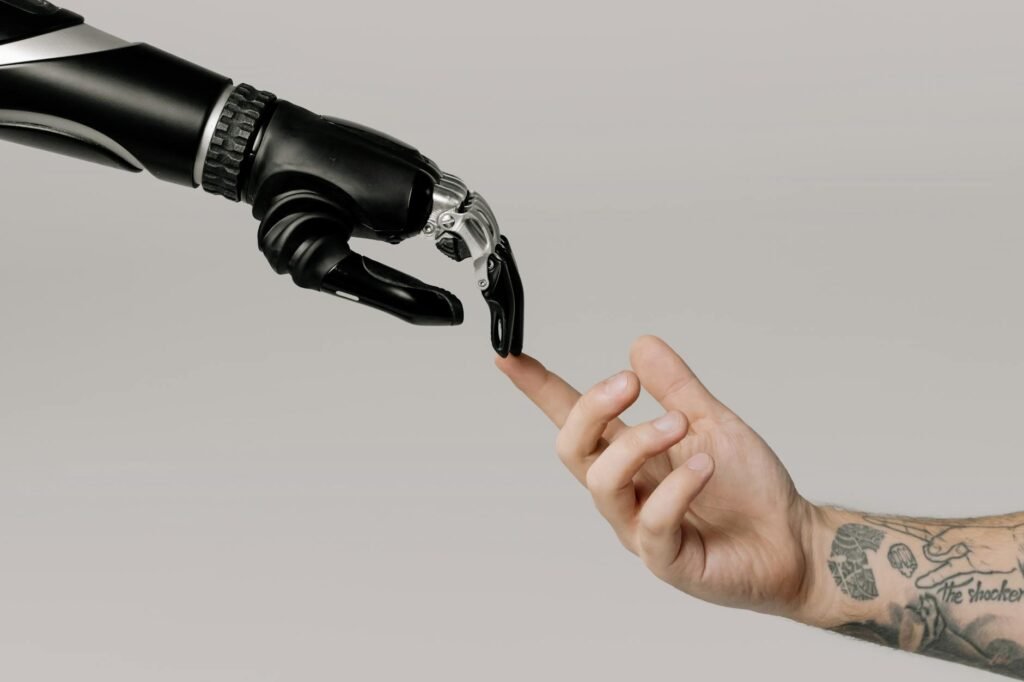
IBM’s deployment of AI-powered chatbots for new employee onboarding represents a significant step forward in HR digital transformation. By implementing these intelligent automation solutions, you can streamline your talent management processes, enhance the employee experience, and create more efficient HR operations. The strategic integration of AI assistants, core HR platforms, and robust governance frameworks enables your organization to move beyond traditional administrative tasks toward data-driven, employee-centric digital experiences.
As you consider implementing similar AI-powered HR solutions, remember that success depends on careful planning, comprehensive training, and continuous optimization. Focus on designing employee-centric experiences, prioritizing data governance and security, and establishing strong change management practices. By following a structured approach through the design, implementation, and governance phases, your organization can transform HR operations while ensuring sustainable adoption and measurable business impact. The future of work demands agile, intelligent HR systems—and AI-powered chatbots are just the beginning of this transformative journey.