
Skill Development Programs for Healthcare | Training & Career Growth
Healthcare skill development programs are transforming how medical professionals advance their careers and improve patient care. Whether you’re a nurse looking to expand your clinical expertise, a physician seeking specialized training, or a healthcare administrator planning workforce development, these programs offer structured pathways to build essential competencies.
This guide is designed for healthcare professionals at all career stages, from new graduates to seasoned practitioners, as well as healthcare organizations investing in their teams’ growth. You’ll discover the core skills that define excellence in modern healthcare and explore the diverse types of medical training courses available today. We’ll also examine the measurable benefits of structured healthcare professional development and share practical strategies for implementing effective training programs that actually work. The healthcare landscape demands continuous learning, and the right skill enhancement approach can accelerate your professional growth while directly improving patient outcomes.
Core Skills Every Healthcare Professional Needs
Clinical competency and evidence-based practice
Your clinical skills form the backbone of quality patient care. You need hands-on expertise in procedures, diagnostic techniques, and treatment protocols specific to your specialty. Evidence-based practice means staying current with research findings and integrating proven methodologies into your daily work.
Communication skills for patient interaction
Patient communication directly impacts treatment outcomes and satisfaction scores. You must explain complex medical information clearly, listen actively to patient concerns, and demonstrate empathy during difficult conversations. Strong communication skills also extend to collaborating effectively with your healthcare team members.
Critical thinking and problem-solving abilities
Healthcare presents complex scenarios requiring quick, accurate decisions. You need analytical skills to assess symptoms, interpret data, and develop treatment plans. Problem-solving abilities help you adapt when initial approaches don’t work and find creative solutions for challenging patient cases.
Technology proficiency for modern healthcare systems
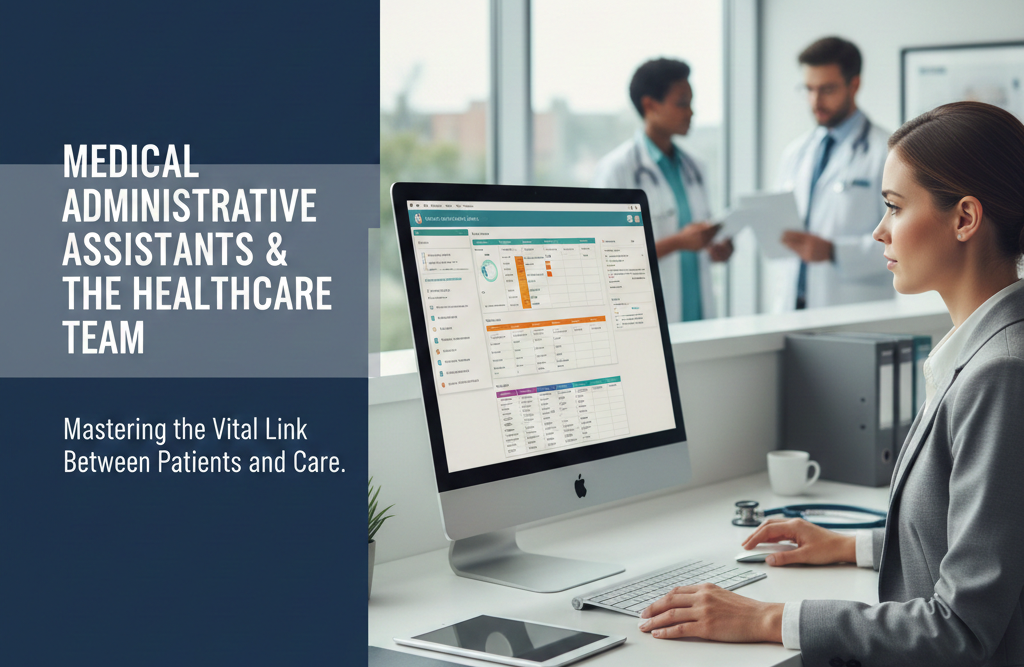
Modern healthcare relies heavily on electronic health records, diagnostic equipment, and telemedicine platforms. You must navigate these systems efficiently while maintaining patient privacy and data security. Technology proficiency includes understanding new medical devices and staying updated with digital healthcare innovations that improve patient care delivery.
Types of Skill Development Programs Available
Certification courses for specialized areas
You can advance your healthcare career through specialized certification programs that focus on specific medical fields like critical care, wound management, or infection control. These healthcare professional development opportunities typically require passing rigorous exams and meeting continuing education requirements to maintain your credentials.
Continuing education workshops and seminars
Workshops and seminars offer you concentrated learning experiences where you can update your knowledge on the latest medical procedures, technologies, and best practices. These medical training courses usually span one to three days and provide networking opportunities with other healthcare professionals while earning required continuing education credits.
Online learning platforms and virtual training
Digital platforms give you the flexibility to complete healthcare skill development programs at your own pace, whether you’re studying advanced pharmacology or learning new diagnostic techniques. Virtual training modules often include interactive simulations and video demonstrations that make complex medical concepts easier to understand and retain.
Mentorship and peer-to-peer learning programs
You benefit tremendously from mentorship relationships where experienced practitioners guide your professional growth and share real-world insights. Peer learning groups create collaborative environments where you can discuss challenging cases, share best practices, and learn from colleagues’ diverse experiences across different healthcare settings.
Hands-on simulation training experiences
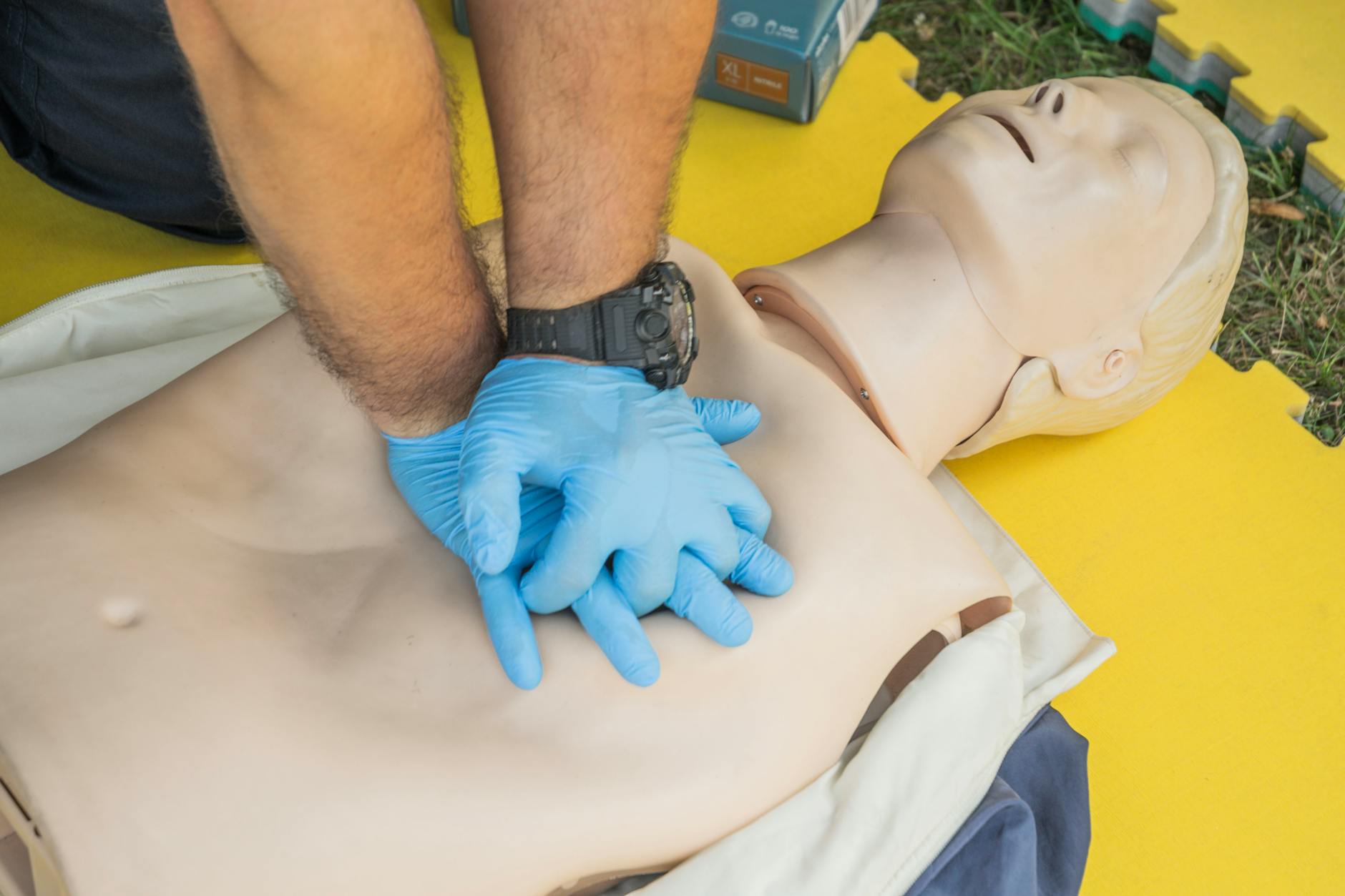
Simulation labs provide you with safe environments to practice high-risk procedures and emergency scenarios without endangering patients. These clinical skills training experiences use realistic mannequins, virtual reality systems, and mock hospital settings to help you build confidence and competency before applying new skills in actual patient care situations.
Benefits of Structured Skill Enhancement
Improved Patient Outcomes and Safety
When you invest in healthcare skill development programs, you directly impact patient care quality. Your enhanced clinical skills training leads to fewer medical errors, better diagnostic accuracy, and more effective treatment protocols. Healthcare professional development programs equip you with evidence-based practices that translate into measurable improvements in patient safety metrics and recovery rates.
Career Advancement Opportunities
Professional training for healthcare workers opens doors to leadership roles, specialized positions, and higher compensation packages. Your participation in medical education programs demonstrates commitment to excellence, making you a strong candidate for promotions. Healthcare competency development also qualifies you for advanced certifications and specialty areas that command premium salaries in today’s competitive healthcare market.
Increased Job Satisfaction and Confidence
Healthcare workforce training boosts your professional confidence by reinforcing your expertise and introducing new competencies. When you master advanced skills through nursing skill enhancement or specialized medical training courses, you feel more prepared to handle complex patient scenarios. This increased competence reduces workplace stress and creates a more fulfilling career experience, leading to better job retention and overall workplace satisfaction.
Implementing Effective Training Strategies
Assessing Individual Skill Gaps and Learning Needs
Start by conducting comprehensive skills assessments using standardized evaluation tools and direct observation methods. Your assessment should include technical competencies, soft skills, and regulatory requirements specific to each role. Gather feedback from supervisors, peers, and patients to create a complete picture of current performance levels versus desired outcomes.
Creating Personalized Development Plans
Build customized healthcare professional development roadmaps that address specific weaknesses while leveraging existing strengths. Your personalized plans should include clear learning objectives, recommended medical training courses, timeline expectations, and resource allocation. Match learning styles with appropriate delivery methods, whether hands-on clinical skills training, online modules, or mentorship programs.
Measuring Progress Through Regular Evaluations
Implement structured evaluation schedules that track competency improvements over time. Your measurement system should combine quantitative metrics like test scores and qualitative assessments through supervisor feedback and self-reflection. Use milestone checkpoints to adjust healthcare workforce training approaches and ensure continuous advancement toward professional goals.
Integrating Training into Daily Workflow
Embed healthcare competency development seamlessly into routine work processes rather than treating it as separate activity. Your integration strategy should include micro-learning opportunities during shift changes, peer coaching during procedures, and real-time feedback systems. Create protected time for skill practice while maintaining patient care quality and operational efficiency standards.
Overcoming Common Training Challenges
Managing time constraints in busy healthcare settings
Your biggest challenge lies in finding training time when patient care never stops. Schedule healthcare skill development programs during shift changes or use micro-learning modules that staff can complete in 10-15 minute intervals. Create flexible online training platforms that allow your team to access medical training courses anytime, anywhere.
Securing adequate funding and resources
You need creative funding strategies to make healthcare professional development sustainable. Partner with medical device companies, apply for educational grants, or implement cost-sharing arrangements between departments. Consider free resources like peer mentoring programs and internal knowledge sharing sessions that maximize your healthcare workforce training budget while delivering quality results.

Healthcare is constantly evolving, and staying ahead means making skill development a priority in your career and organization. You’ve seen how essential skills like communication, clinical expertise, and technology proficiency form the foundation of excellent patient care. The various training programs available – from online modules to hands-on simulations – give you flexible options to grow professionally while managing your busy schedule.
Your investment in structured skill enhancement pays dividends through improved patient outcomes, increased job satisfaction, and better career prospects. Don’t let common training challenges like time constraints or budget limitations hold you back. Start small, focus on the skills that matter most to your role, and build momentum from there. Your patients, colleagues, and future self will thank you for taking that first step toward continuous learning and professional growth.
World Health Organization – Health Workforce Training
National Institutes of Health – Clinical Training Resources
Centers for Disease Control and Prevention (CDC) – Training & Education
World Medical Association – Medical Ethics & Training
Coursera – Healthcare Skill Development Courses