
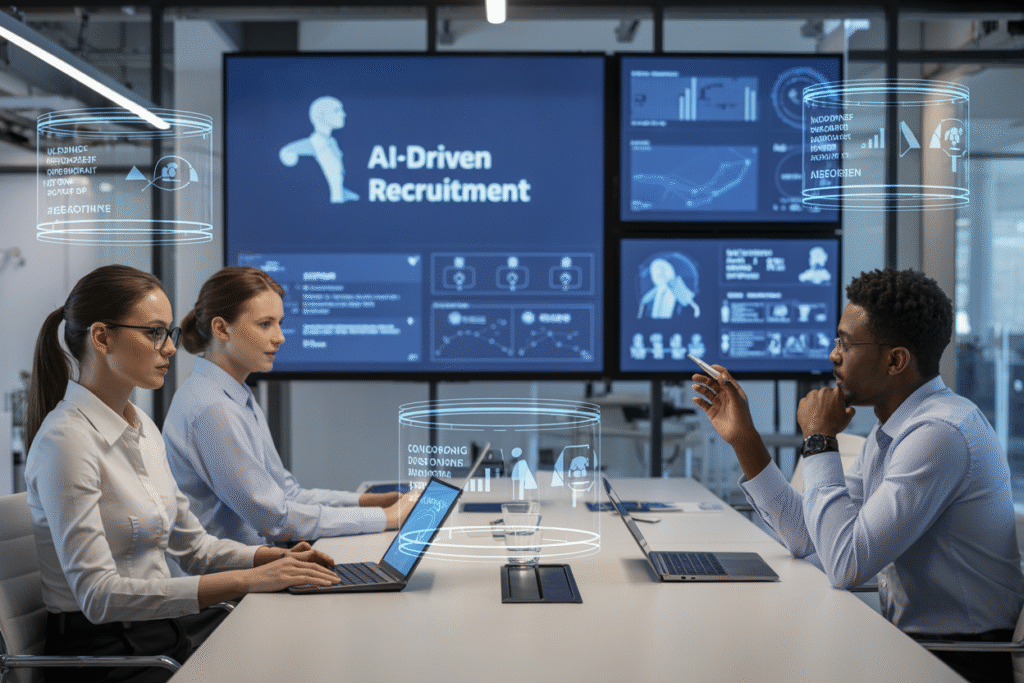
Unilever processes 1.8 million job applications annually, making their shift to AI-driven recruitment one of the most ambitious talent acquisition transformations in corporate history. This detailed assessment examines how the consumer goods giant uses artificial intelligence to streamline hiring at massive scale while maintaining quality and candidate experience.
This analysis is designed for HR professionals, recruitment technology specialists, and business leaders exploring AI recruitment solutions for large organizations. You’ll discover practical insights into implementing AI-powered hiring processes and real metrics from Unilever’s deployment.
How Unilever Uses AI to Transform Large-Scale Recruitment Operations
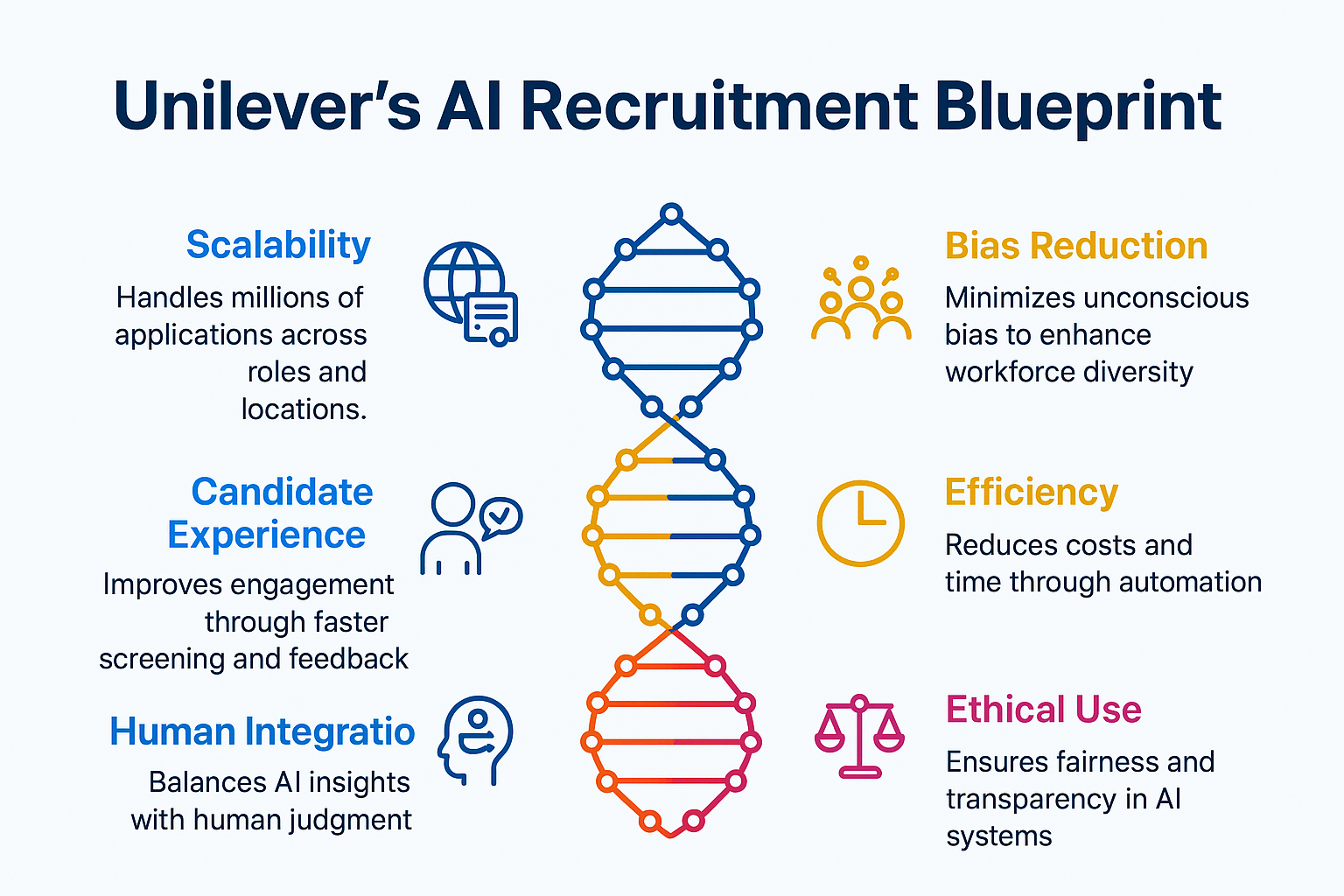
We’ll break down how Unilever replaced traditional screening with AI-powered gaming assessments that evaluate candidates’ aptitude and risk tolerance in just minutes. You’ll also learn about their video interview analysis system that uses natural language processing and body language recognition to identify top talent. Finally, we’ll explore their innovative approach to providing personalized feedback to all applicants—even rejected ones—showing how AI can actually make recruitment more human.
Processing 1.8 million applications annually across 190 countries
Unilever’s AI recruitment transformation addresses one of the most significant challenges in modern talent acquisition: managing massive application volumes at a global scale. The company processes approximately 1.8 million job applications each year to fill over 30,000 positions worldwide. This staggering volume of applications represents a logistical challenge that would be virtually impossible to handle effectively through traditional recruitment methods alone.
Operating across 190 countries, Unilever requires a recruitment solution that can seamlessly function across diverse markets, cultures, and regulatory environments. The global nature of their operations demands a standardized yet flexible approach to candidate assessment that maintains consistency while adapting to local requirements. This international scope necessitates AI-driven recruitment systems capable of handling multiple languages, cultural contexts, and varying skill requirements across different geographical regions.
Partnership with Pymetrics for AI-powered candidate screening
To address these recruitment challenges, Unilever entered into a strategic partnership with Pymetrics, a leading provider of AI-powered assessment solutions. This collaboration resulted in the creation of an innovative online platform specifically designed for initial candidate assessment. The Pymetrics platform leverages artificial intelligence recruitment technology to evaluate candidates through neuroscience-based games and assessments that measure cognitive and emotional traits.
This AI candidate assessment approach represents a fundamental shift from traditional screening methods. Rather than relying solely on resume reviews and subjective evaluations, the automated hiring or AI Driven Recruitment systems deployed through this partnership provide objective, data-driven insights into candidate potential. The platform’s AI algorithms analyze behavioral patterns and cognitive responses to create comprehensive candidate profiles that predict job performance and cultural fit.
Reducing 70,000 person-hours of manual interviewing and assessment
The implementation of Unilever’s AI-driven hiring process has yielded remarkable efficiency gains. The automated screening system has successfully reduced approximately 70,000 person-hours that would otherwise be spent on manual interviewing and assessment activities. This dramatic reduction in manual effort demonstrates the transformative power of AI recruitment transformation in optimizing resource allocation.
These efficiency improvements extend beyond simple time savings. By automating initial screening processes, Unilever’s recruitment teams can redirect their focus toward higher-value activities such as building relationships with top candidates, conducting in-depth interviews with pre-qualified applicants, and developing strategic talent acquisition initiatives. The AI talent acquisition system effectively serves as a powerful first-line filter, ensuring that human recruiters spend their time on the most promising candidates while maintaining a positive experience for all applicants through the automated process.
AI-Powered Initial Candidate Assessment Through Gaming and Analytics
Online aptitude games testing logic, reasoning, and risk appetite
Unilever’s AI-driven hiring process revolutionizes traditional candidate screening through innovative online aptitude games that systematically evaluate multiple cognitive dimensions. These digital assessments replace conventional paper-based tests by presenting candidates with interactive challenges specifically designed to measure logic, reasoning capabilities, and risk appetite in real-time scenarios.
The gaming platform creates an engaging environment where candidates navigate through various problem-solving exercises that mirror actual workplace challenges. These assessments go beyond simple multiple-choice questions by incorporating dynamic scenarios that require analytical thinking and decision-making under pressure. The games are strategically designed to reveal how candidates approach complex problems, their tolerance for uncertainty, and their ability to think critically when faced with ambiguous situations.
This gamified approach to AI candidate assessment serves multiple purposes within Unilever’s recruitment technology framework. First, it provides a standardized evaluation method that ensures consistency across all applicants regardless of their background or location. Second, the interactive nature of these games helps reduce test anxiety while providing candidates with a more authentic preview of the skills required in modern workplace environments.
The risk appetite component is particularly valuable for identifying candidates who can thrive in fast-paced, decision-intensive roles. By analyzing how candidates respond to scenarios involving calculated risks, Unilever can better predict their potential performance in dynamic business situations.
Machine learning algorithms matching candidate profiles to successful employeeshttps:
Now that we have covered the gaming assessment methodology, the next critical component involves sophisticated machine learning algorithms that analyze and interpret candidate performance data. These AI systems operate by creating comprehensive candidate profiles based on game performance metrics and subsequently matching these profiles against historical data from previously successful employees within the organization.
The artificial intelligence recruitment system leverages pattern recognition to identify key characteristics that correlate with high performance in specific roles. By analyzing thousands of data points from current high-performing employees, the algorithms develop predictive models that can accurately assess candidate suitability for various positions across Unilever’s diverse organizational structure.
This matching process represents a significant advancement in AI talent acquisition, as it moves beyond subjective human judgment to data-driven candidate evaluation. The machine learning system continuously refines its accuracy by incorporating feedback from actual employee performance post-hiring, creating a self-improving recruitment mechanism that becomes more precise over time.
The algorithmic approach ensures that candidate assessment remains objective and free from unconscious bias that might influence traditional hiring decisions. This systematic evaluation method allows Unilever to identify talent that might otherwise be overlooked through conventional screening processes.
Eliminating geographical barriers for global talent acquisition
With this comprehensive AI-powered assessment framework in place, Unilever has successfully addressed one of the most significant challenges in modern recruitment: geographical limitations. The online platform enables candidates to complete their initial assessment from their homes, fundamentally transforming how the company approaches global talent acquisition.
This remote accessibility feature is particularly valuable for Unilever’s AI recruitment transformation, as it allows the organization to tap into talent pools that were previously inaccessible due to logistical constraints. Candidates from remote locations, different time zones, or areas with limited access to traditional recruitment centers can now participate equally in the selection process.
The elimination of geographical barriers also contributes to cost efficiency and speed in the automated hiring systems. Rather than coordinating multiple assessment centers across various regions, Unilever can provide consistent evaluation experiences to all candidates through a single digital platform. This approach significantly reduces the time-to-hire while maintaining the quality and thoroughness of candidate assessment.
Furthermore, this global accessibility supports Unilever’s commitment to diversity and inclusion by ensuring that talented individuals from all backgrounds and locations have equal opportunities to demonstrate their capabilities, regardless of their physical proximity to corporate offices or recruitment centers.
Video Interview Analysis Using Advanced AI Technology for AI Driven Recruitment

Natural Language Processing for 30-Minute Video Responses
Unilever’s AI recruitment transformation leverages sophisticated machine learning algorithms to analyze comprehensive 30-minute video interviews through advanced natural language processing capabilities. This AI-driven hiring process examines candidates’ verbal responses with unprecedented depth, analyzing speech patterns, word choice, communication clarity, and linguistic indicators that reveal cognitive abilities and problem-solving approaches.
The artificial intelligence recruitment system processes vast amounts of spoken content, identifying key competencies and behavioral traits through sophisticated language analysis. This automated hiring system evaluates how candidates articulate their thoughts, structure their responses, and demonstrate critical thinking skills during extended video sessions. The AI candidate assessment technology can detect nuances in communication style, confidence levels, and the ability to express complex ideas coherently.
Body Language Analysis to Determine Cultural Fit
Beyond verbal communication, Unilever’s video interview AI analysis incorporates comprehensive body language assessment to evaluate cultural alignment with company values. The AI recruitment technology specifically analyzes physical cues and behavioral patterns to determine candidates’ compatibility with Unilever’s core principles, particularly focusing on systemic thinking and resilience.
This advanced AI talent acquisition system examines facial expressions, posture, gestures, and micro-expressions during video interviews. The technology identifies candidates who naturally demonstrate behaviors aligned with Unilever’s collaborative culture and adaptive mindset. By analyzing non-verbal communication patterns, the system can predict how well candidates might integrate into existing teams and embrace the company’s values-driven approach to business operations.
Automated Screening for Future Leaders Program Selection
The recruitment technology reaches its pinnacle effectiveness in Unilever’s future leaders program selection process, where automated screening capabilities manage massive candidate volumes with remarkable precision. From an extensive pool of applicants, the AI-driven hiring process successfully identifies and selects approximately 3,500 candidates for advancement to discovery centers through comprehensive video analytics.
This automated hiring system demonstrates exceptional scalability, processing thousands of video interviews simultaneously while maintaining consistent evaluation standards. The AI recruitment transformation enables Unilever to identify high-potential candidates who possess the leadership qualities, strategic thinking abilities, and cultural fit necessary for senior roles within the organization. The video interview AI analysis ensures that promising talent is identified efficiently, regardless of the overwhelming application volume typical of graduate recruitment programs.
Providing Personalized Feedback to All Applicants Through AI
Eliminating the “black hole” experience of traditional recruiting
Unilever’s AI recruitment system directly addresses one of the most frustrating aspects of traditional hiring processes: the notorious “black hole” experience where candidates submit applications and never hear back from employers. This common practice leaves applicants in limbo, uncertain about their status and unable to learn from their experience. The AI-driven hiring process fundamentally transforms this dynamic by ensuring every candidate receives meaningful communication about their application.
The artificial intelligence recruitment platform creates a transparent feedback loop that was previously impossible to maintain at scale. Where traditional recruitment processes often leave candidates wondering why they weren’t selected or what they could improve, Unilever’s AI recruitment technology ensures no applicant is left without closure or guidance.
Multi-page feedback reports for successful and unsuccessful candidates
Now that we understand how the system eliminates communication gaps, the AI candidate assessment generates comprehensive multi-page feedback reports for every applicant, regardless of their final outcome. These detailed reports analyze candidate performance across both the gaming assessments and video interview components of the recruitment process.
The feedback reports provide in-depth analysis of how candidates performed in each stage of the AI-driven hiring process. Successful candidates receive validation of their strengths and insights into what made them a good fit for Unilever’s culture and requirements. Unsuccessful candidates receive equally detailed feedback that helps them understand their performance relative to the company’s expectations.
This comprehensive approach to feedback represents a significant departure from traditional recruitment methods, where only successful candidates typically receive detailed communication. The automated hiring systems enable Unilever to provide this level of personalized attention to every applicant without overwhelming their recruitment team.
Actionable insights for improving future applications
With this detailed analysis in place, the AI recruitment transformation provides candidates with specific, actionable insights that extend beyond their current application. The feedback includes detailed information about characteristics that align with Unilever’s organizational profile, helping candidates understand both their strengths and areas for development.
The AI talent acquisition system identifies particular traits and competencies that resonated well with Unilever’s requirements, giving candidates clear direction on their professional strengths. More importantly, the system provides concrete suggestions for improving future applications, whether with Unilever or other organizations.
These actionable insights transform the recruitment experience from a simple pass-or-fail evaluation into a valuable learning opportunity. Candidates receive guidance on skill development, interview techniques, and professional presentation that can benefit their entire career trajectory. This approach not only enhances Unilever’s employer brand but also contributes positively to the broader talent market by helping candidates improve their professional capabilities.
Unabot: AI-Powered Employee Onboarding and Support System
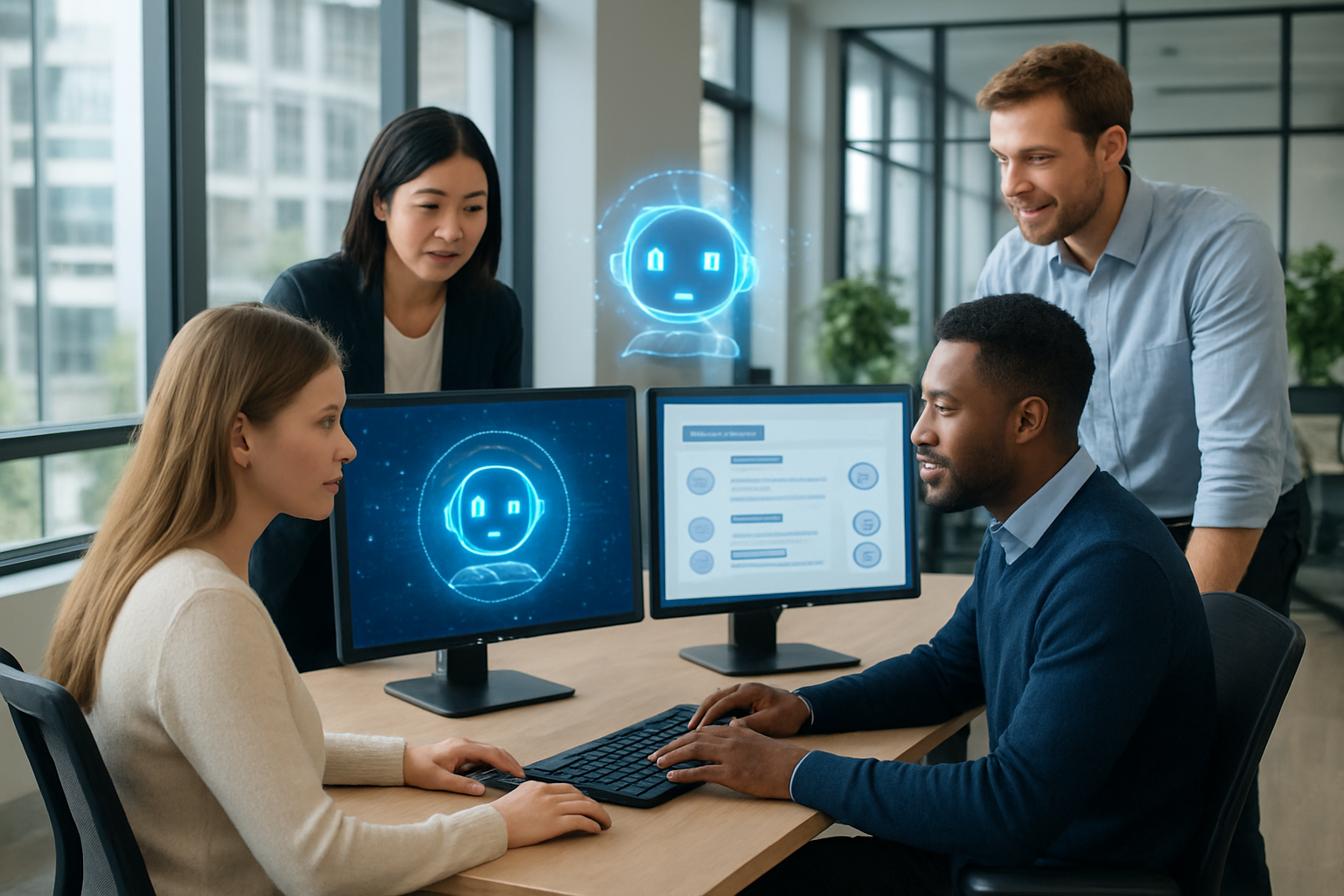
Natural language processing bot built on Microsoft’s framework
Building upon their recruitment innovations, Unilever extended their AI capabilities into the employee onboarding and support realm through Unabot, a sophisticated natural language processing bot. This intelligent system leverages Microsoft’s Bot framework as its foundation, providing a robust and scalable platform for employee interactions. The choice to utilize Microsoft’s established framework demonstrates Unilever’s strategic approach to AI employee onboarding, ensuring reliability and seamless integration with existing corporate infrastructure.
Unabot serves as a comprehensive digital assistant designed specifically to address the diverse range of employee questions that arise in a large multinational organization. The bot’s primary function centers on providing instant, accurate information to employees across various topics and operational areas. By implementing this AI-powered support system, Unilever has created a centralized resource that reduces the burden on human resources teams while improving employee experience through immediate access to information.
Real-time learning from employee interactions and questions
What sets Unabot apart in the artificial intelligence recruitment and employee support landscape is its sophisticated real-time learning capabilities. The system continuously evolves and improves its responses by analyzing every employee interaction and question. This dynamic learning process allows Unabot to become increasingly effective at understanding employee needs and providing relevant, contextual responses.
The bot’s learning scope encompasses a comprehensive range of workplace topics that employees frequently inquire about. These areas include:
- IT Systems: Technical support and guidance for various software platforms and tools
- Allowances: Information about employee benefits, reimbursements, and compensation structures
- Parking: Details about parking policies, availability, and procedures
- Shuttle Buses: Transportation schedules, routes, and logistics
- Salary Reviews: Process information and timelines for performance evaluations and compensation adjustments
This broad knowledge base enables Unabot to serve as a one-stop resource for employee inquiries, significantly reducing response times and improving overall workplace efficiency. The real-time learning aspect ensures that as new questions arise or policies change, the bot adapts accordingly, maintaining its relevance and accuracy.
Global rollout strategy starting with Philippines across 36 countries
Unilever’s approach to implementing Unabot demonstrates a thoughtful and strategic global expansion methodology. The initial deployment began in the Philippines, serving as a pilot market to test the system’s effectiveness and gather valuable insights before broader implementation. This measured approach allowed the company to refine the bot’s capabilities and address any operational challenges in a controlled environment.
Following the successful pilot phase, Unabot’s reach has expanded significantly, now operating across 36 countries worldwide. This substantial international presence showcases the system’s scalability and adaptability to different cultural contexts, languages, and local operational requirements. The successful multi-country deployment validates the effectiveness of the Microsoft Bot framework foundation and Unilever’s implementation strategy.
The ultimate vision for Unabot extends even further, with plans for a complete global rollout across all 190 Unilever markets. This ambitious expansion timeline reflects the company’s confidence in the AI recruitment transformation technology and its potential to revolutionize employee support operations worldwide. The progressive rollout strategy ensures that each market receives adequate support and customization to meet local needs while maintaining the core functionality that makes Unabot effective.
Intelligent Information Filtering Based on Employee Context
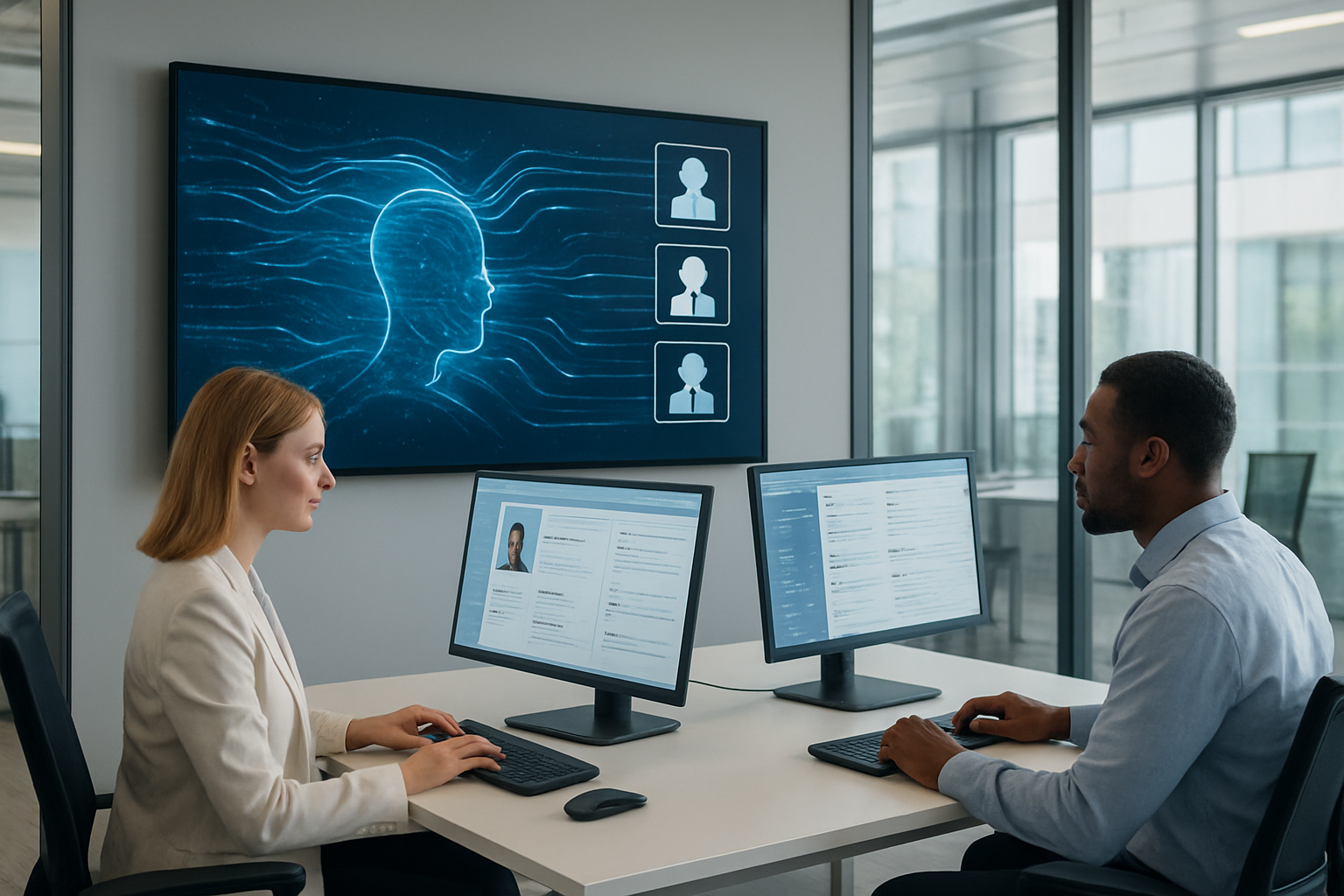
Location-based Information Customization for Global Workforce
Unabot’s sophisticated AI-driven approach to information delivery recognizes the inherent complexities of managing a global workforce across diverse geographical locations. The system intelligently differentiates information based on each user’s specific geographical location, ensuring that employees receive content that is directly relevant to their local context and operational environment.
This location-aware functionality represents a significant advancement in AI employee onboarding and support systems, as it eliminates the confusion that often arises when global employees receive generic, one-size-fits-all communications. By automatically detecting and incorporating geographical data, Unabot ensures that each employee receives information tailored to their specific region, including local regulations, cultural considerations, and region-specific company policies that may vary across Unilever’s international operations.
Seniority-level Appropriate Content Delivery
The AI system’s ability to deliver content appropriate for each employee’s level of seniority within the company demonstrates the sophisticated personalization capabilities that modern recruitment technology can achieve. This intelligent content filtering ensures that junior employees receive foundational information and guidance suitable for their career stage, while senior-level staff access more strategic, leadership-focused content that aligns with their responsibilities and decision-making authority.
This seniority-based content delivery mechanism prevents information overload while ensuring that each employee receives precisely the information they need to perform effectively in their role. The system’s understanding of organizational hierarchy allows it to provide contextually appropriate guidance, whether addressing entry-level concerns or executive-level strategic considerations.
Integration with Company Policies, Schedules, and Guidelines
Unabot’s comprehensive integration capabilities extend beyond simple information delivery to encompass the full spectrum of internal company resources. The bot seamlessly integrates data from multiple internal sources, including company guidelines, schedules, policy documents, and frequently asked employee questions, creating a unified information ecosystem that serves as a single point of access for all employee inquiries.
This integration approach transforms the traditional approach to employee support by consolidating disparate information sources into one intelligent system. Rather than requiring employees to navigate multiple platforms, documents, and resources, Unabot provides instant access to relevant information from across the organization’s knowledge base, significantly improving efficiency and reducing the time employees spend searching for essential information.
Measuring AI Success Through Employee Adoption and Engagement

36% Usage Rate Among Deployed Workforce
The Unabot initiative has achieved a significant milestone with a 36% usage rate among the deployed workforce. This adoption rate demonstrates the practical value that employees find in Unilever’s AI recruitment transformation technology. When measuring the success of AI-driven hiring processes and automated hiring systems, employee adoption serves as a critical indicator of real-world effectiveness. The substantial usage rate suggests that the AI employee onboarding system has successfully integrated into daily workflows, providing tangible benefits that encourage consistent engagement across Unilever’s global operations.
80% Return Usage Rate Indicating Employee Satisfaction
Perhaps even more impressive than the initial adoption is the 80% return usage rate, which serves as a powerful testament to employee satisfaction and engagement with the system. This metric reveals that once employees experience the AI-powered recruitment technology, the vast majority choose to continue using it. Such high retention rates in artificial intelligence recruitment systems are uncommon, indicating that Unilever’s approach to AI talent acquisition has successfully addressed genuine user needs rather than simply implementing technology for its own sake. The return usage rate demonstrates that the system delivers consistent value, making it an indispensable tool for employees involved in recruitment processes.
Continuous Learning and Improvement Through User Feedback
The AI recruitment transformation at Unilever operates on a foundation of continuous learning and improvement, with user feedback serving as the primary driver for system evolution. This iterative approach ensures that the recruitment technology adapts to real-world usage patterns and employee needs. Through systematic collection of insights from user interactions, the system undergoes regular refinements that enhance its effectiveness. The iterative rollouts across different countries provide valuable data points that inform ongoing improvements, creating a feedback loop that strengthens the AI candidate assessment capabilities over time. This commitment to continuous enhancement ensures that the AI-driven hiring process remains relevant and increasingly valuable to users.

Unilever’s comprehensive AI implementation across recruitment and employee onboarding demonstrates how artificial intelligence can humanize rather than dehumanize large-scale HR operations. From processing 1.8 million job applications annually through gaming-based assessments and video interview analysis to providing personalized feedback for every candidate, the company has successfully streamlined operations while maintaining quality and care. Their Unabot system further extends this AI-human partnership by offering contextual support to employees across 36 countries, proving that intelligent automation can enhance workplace experiences.
The success of Unilever’s AI initiatives, measured through impressive adoption rates and significant time savings of 70,000 person-hours in recruitment alone, offers valuable insights for organizations seeking to scale their human resources operations. By focusing on creating effortless, personalized experiences that adapt to individual needs and contexts, companies can leverage AI not as a replacement for human interaction, but as a powerful tool to make their people processes more efficient, inclusive, and responsive to employee needs.